
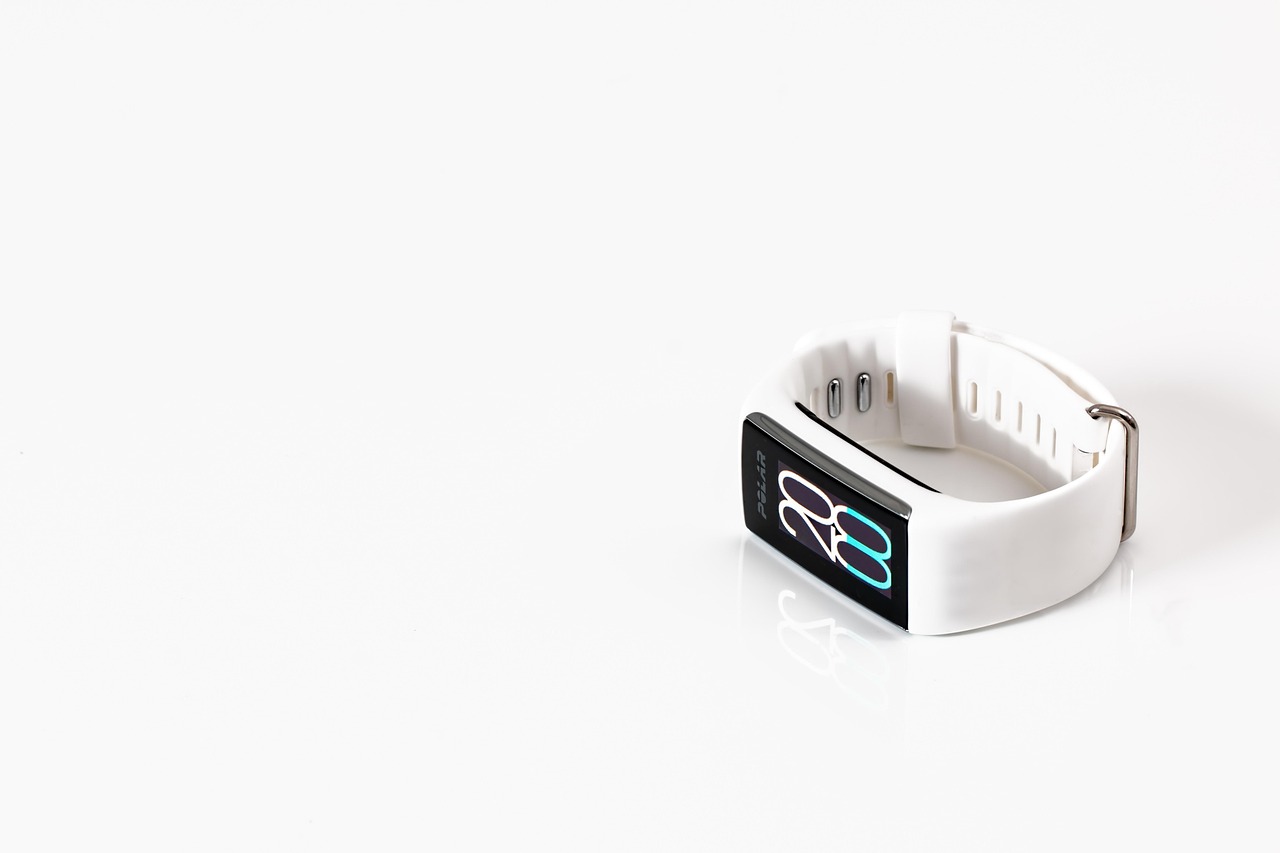
Wearable sensors identified cytokine release syndrome (CRS) an average of seven hours before conventional nursing checks in a pilot study of patients receiving CAR‑T therapy for multiple myeloma.
Early alerts saved hours.
Continuous monitoring cuts detection lag for life‑threatening complication
The investigation enrolled 30 adults at a single New York hospital, with a median age of 59.5 years and a median of five prior treatment lines. All participants underwent CAR‑T infusion and were kept in the hospital for a median of 13 days, reflecting the typical inpatient protocol that aims to catch acute toxicities early.
Related: The Royal Ring’s Impact on Environmental Awareness: Promoting Sustainable Luxury
Researchers equipped each patient with a wearable device that recorded under‑arm and skin temperature, heart rate, breathing rate, oxygen saturation and movement. Blood samples were also drawn before and after the infusion to track cytokine levels.
More importantly, the model signaled the onset of CRS a median of seven hours before the nursing team documented it, offering a window for pre‑emptive treatment.
“Getting CAR‑T to every patient who can benefit from it is my dream,” said Dr. Samir Parekh, director of the Center of Excellence for Multiple Myeloma at Icahn School of Medicine at Mount Sinai. He added that earlier detection could allow patients to stay outside the hospital, perhaps in a nearby hotel, while still receiving rapid care if symptoms emerge.
Related: Hospital faces lawsuit over patient leak
CRS, a systemic inflammatory response triggered by the massive release of cytokines, often begins with fever and may progress to severe cardiovascular, respiratory or neurological complications. Current practice keeps patients in an intensive setting for up to two weeks, a costly arrangement that can exceed one million dollars per case when drug price and hospital stay are combined.
The team noted that adherence varied, with some patients removing the device during sleep or showering, an awkward detail that highlights real‑world challenges of continuous tracking.
While the findings are promising, the authors caution that the sample size limits statistical power. Validation in larger, multi‑center cohorts will be needed to determine whether the approach can be generalized to other CAR‑T products and to patients treated for diseases beyond multiple myeloma.
Related: Fresno Birth Injury Law Firm: Advocating for Families Affected by Medical Negligence
“The cost of holding a hospital bed each day, plus the nursing resources required for surveillance, is far greater than the cost of a simple wearable and monitoring system,” Parekh said. He envisions algorithms that trigger alerts only for genuine emergencies, reducing unnecessary interruptions to clinical workflows.
CAR‑T therapy, approved in the United States since 2017, remains underutilized, with only about 20% of eligible patients receiving the treatment. Geographic concentration of specialized centers and the logistical burden of prolonged hospitalization are cited as major barriers. Expanding outpatient capability could broaden access, especially as the modality moves earlier in treatment lines.
Data from the study were published in JCI Insight and are available online. For background on CAR‑T therapy, see the Wikipedia entry.


