
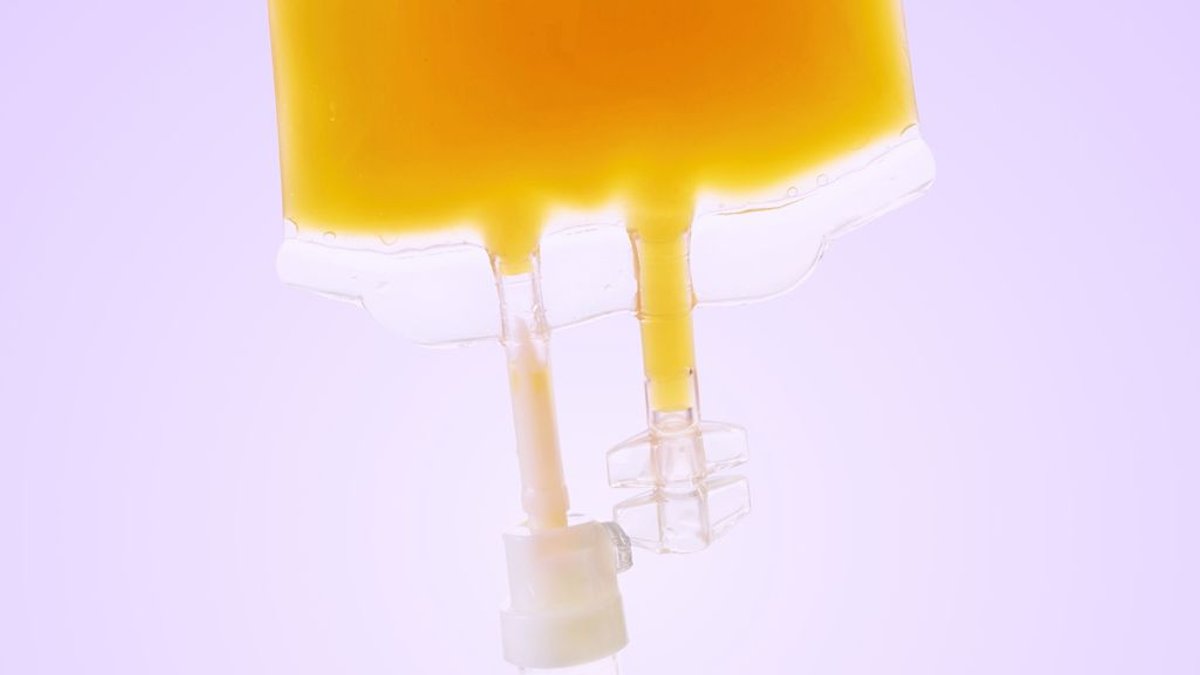
Researchers are exploring a technique called therapeutic plasma exchange, which filters and replaces the liquid portion of your blood, as a potential way to slow the aging process. A 2025 study in Aging Cell suggests this technique could lower biological age by 2.5 years.
The study’s findings have garnered significant attention, but experts caution that the results should be viewed with a critical eye. Andrea Maier, MD, PhD, a geriatrician and board member of the Academy for Health and Lifespan Research, notes that plasma is more than just the liquid surrounding red and white blood cells – it’s a transport system that reflects and influences the body’s internal state.
Plasma is rich in proteins, metabolites, hormones, and inflammatory signals, making it a smart focal point for longevity studies. By measuring changes in the levels of thousands of circulating proteins in plasma, researchers can gain insight into a person’s biological age. Keenan Walker, PhD, senior investigator at the National Institute on Aging, explains that biological age is not a fixed or precise measurement, but rather a helpful indicator of overall health.
Related: Solo women take dream vacations alone now
They have been exploring the connection between plasma and the aging process for about 15 years, using a technique called parabiosis to link the circulatory systems of young and old mice. The studies showed that older mice who received younger plasma had increased resilience to tissue and organ stress, leading to the development of plasma exchange as a treatment for certain diseases.
The Aging Cell study enrolled 42 people and exchanged their plasma with purified albumin and saline, with some participants also receiving immune therapy. While the initial results appeared significant, with some participants reducing their biological age, Dr. Maier notes that this data is from the midpoint of the study, not the end. The effect was nearly gone by the end of the study, suggesting that the benefits may be temporary.
Dr. Maier attributes this to the body’s stress response to the sudden change in plasma, which can cause biomarkers to swing back to their original state.
Related: Marital status linked to increased cancer risk
As Dr. Maier puts it, “We’ve basically learned that we can safely do it, and now we have to see it in much bigger studies and look at the long-term effect.” While the concept shows promise, it’s still in its early stages, and more research is needed to determine its efficacy and potential applications.
In the context of aging research, this study represents a small step towards understanding the complex interactions between the body’s systems and the aging process. The use of plasma exchange as a potential anti-aging treatment is still largely speculative, but it highlights the importance of continued research into the underlying mechanisms of aging.
For now, the study’s findings should be viewed as preliminary, and more research is needed to fully understand the potential benefits and limitations of therapeutic plasma exchange.


