
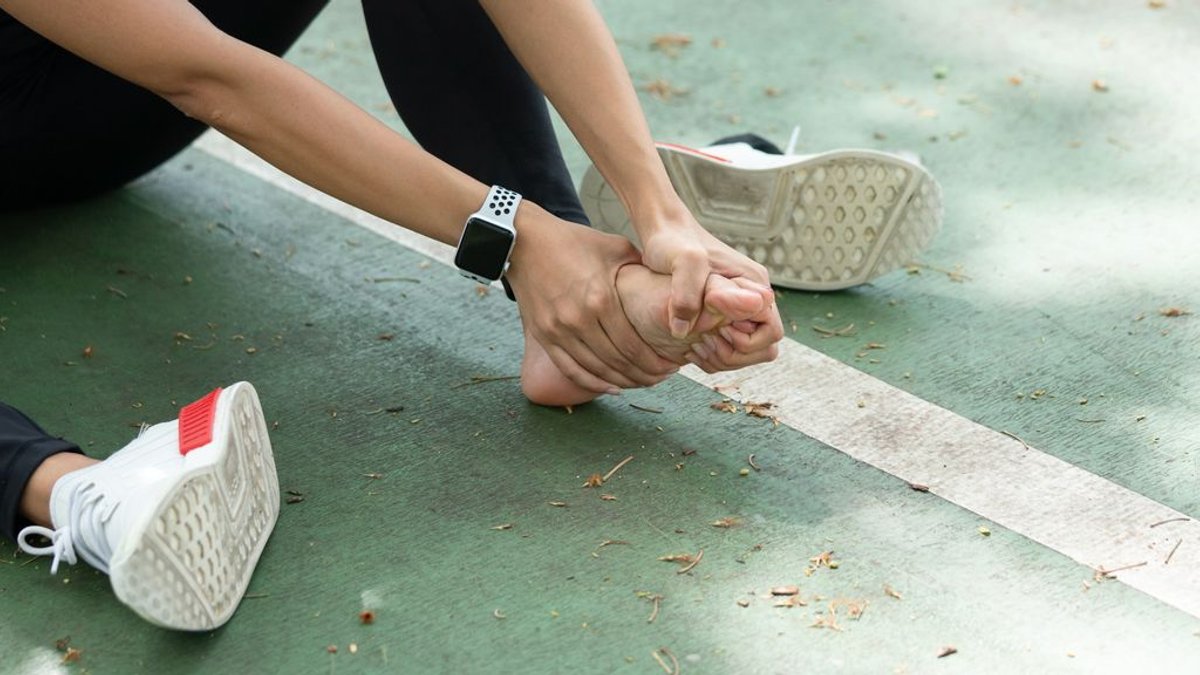
Women seeking relief from foot pain are increasingly choosing dermal fillers to restore lost cushioning.
The procedure has existed for years, but interest is growing. Medical-grade silicone once served as the primary material for rebuilding the natural padding beneath the feet. Today, hyaluronic acid and body fat injections offer a way to reduce the deep, bruise-like pain caused by thinning fat pads.
The science behind the pain
The plantar fat pad acts as a natural shock absorber. Over time, this cushion wears away. By age 60, nearly a third of people develop fat pad atrophy, forcing bones to press directly against the ground. The outcome is sharp pain in the heels or balls of the feet, particularly during prolonged standing or barefoot walking.
Podiatrists liken the effect to driving a car with worn-out tires. Without that buffer, every step becomes jarring. Injections can temporarily replace some of the lost padding, though the effects fade over time.
Ben Pearl, a podiatrist at Arlington Foot and Ankle in Virginia, notes the treatment’s rising popularity stems from patients’ familiarity with fillers for cosmetic purposes. His practice focuses on sports medicine, where endurance athletes often suffer from feet damaged by miles of pavement.
What the injections can—and can’t—do
Patients have several choices. Hyaluronic acid fillers add volume and softness, while calcium hydroxylapatite (such as Radiesse) offers firmer support and encourages collagen production. The longest-lasting option remains body fat, either harvested from the patient or a donor. Fat injections can last up to two years, compared to six to nine months for hyaluronic acid.
Related: Drought Areas Feel Water Shortage
Anne Sharkey, a podiatrist in Austin, says fat allografts from brands like Liposana and Leneva are becoming the top choice. “[A fat injection] actually recruits your body to rebuild the fat pad in that area so it has a much longer duration,” she says. The aim isn’t complete reversal, but restoring function as closely as possible to normal.
Research supports the outcomes. A small study on hyaluronic acid injections found all five participants with metatarsal pain were pain-free after six months. Those who still experienced discomfort could wear high heels for twice as long as before. Another study on fat injections showed an average 70% reduction in pain after 20 months.
Not all practitioners perform the procedure with equal precision. Injecting feet is more complex than facial treatments—the skin is thicker, and proper placement requires knowledge of pressure points. Pearl uses ultrasound guidance to ensure filler reaches the most critical areas. Sharkey’s clinic combines podiatry with a nail salon, providing services from ingrown toenail care to foot fillers in one location.
The overlap makes sense. Many patients are already comfortable with dermal fillers for cosmetic reasons. The same techniques that smooth wrinkles can also reduce foot pain.
Cost and alternatives
For those unable to pay for fillers, lower-cost options like kinesiology tape can redistribute remaining fat for extra cushioning. Anti-fatigue mats help people who stand for extended periods. Over-the-counter insoles or running shoes with thick soles also provide relief. A podiatrist can prescribe custom orthotics. Sharkey sometimes recommends hyaluronic acid as a short-term solution until patients can afford fat injections. “It’s about finding a balance,” she says. The objective isn’t perfection—just enough improvement to stay active.
Foot pain no longer has to be accepted as inevitable. For many, fillers offer a way to regain comfort, step by step.


