
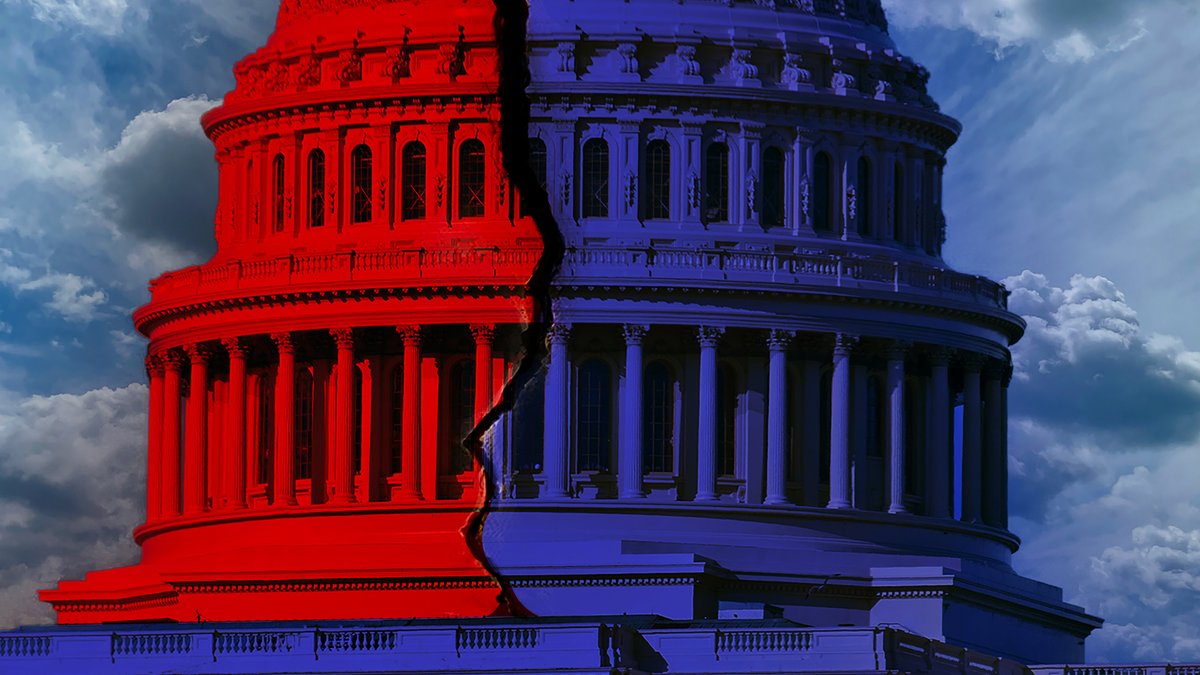
Tuesday’s forecast-busting blue wave puts wind in the sails of Democrats who have promised a stark departure from Trump-era healthcare policy-though whether or not the shifts will be incremental or seismic hinges on intra-party debates and the president’s veto. As of noon Wednesday, Democrats had flipped seven seats in the Senate and 21 in the House, setting the party up for comfortable majorities as unexpected battleground races continue to be tallied.
Healthcare was a central theme in Democratic campaign messaging, with the party allocating $65 million for ads on the issue in key Senate races-double the spending on its next-largest topic. Healthcare was overall the second-most prominent issue featured in ads (as measured by spend) across the two parties, behind a push on taxation topics from Republicans. The focus centered on reducing costs, broadening coverage, and reinstating federal oversight, with many proposals set to take effect on January 1, 2027.
A health policy agenda circulated in September by a working group under Rep. Hakeem Jeffries (D-N.Y.)-the House’s current minority leader and likely speaker in the next Congress-outlined immediate, “First 100 Hours” goals that include… repeal of the Medicaid coverage and funding cuts of 2025’s H.R. 1 (the One Big Beautiful Bill Act) as well as restoration of enhanced Affordable Care Act premium tax credits that expired at the top of 2026 and vastly increased marketplace plan premiums.
Other 100-hours priorities outlined in the document include medical debt protections, removal of visa program fees for healthcare workers, an end to an AI prior authorization program in Traditional Medicare, restoration of withheld National Institutes of Health funding, a block on immigration enforcement operations in hospitals and guaranteed no-cost coverage of recommended vaccines regardless of changes in federal recommendations.
Read Also: Medicare Part D premiums may jump 50 percent
Democratic Leaders Take Charge of Healthcare Policy
Democrats will appoint influential leaders to guide healthcare policy. Vermont Sen. Bernie Sanders, a longtime advocate for Medicare for All, will chair the Senate Health, Education, Labor and Pensions Committee, while Oregon Sen. Ron Wyden—known for pushing oversight of Medicaid stakeholders and “Big Insurance”—will lead the Finance Committee. Both have indicated a firm stance on corporate accountability in the sector.
Underpinning the party’s legislative leaders are a slew of new-to-office healthcare advocates. Several of those elected to Congress have backgrounds as physicians or other COVID-era public health experience. Among the standouts are Ohio Governor-elect Amy Acton, a pediatrician who was director of the state’s Department of Health and resigned early in the pandemic in protest of state leadership; and Michigan Senator-elect Abdul El-Sayed, an epidemiologist and Detroit’s former health director, who has made progressive health policy goals like Medicare for All a cornerstone of his campaign.
Molly Turco of TD Cowen Washington Research Group observed in a Wednesday analysis that “with Trump in the [White House], passage of major reforms are very unlikely and even medium-sized policies, like rollbacks of Medicaid [state-directed payment] cuts or restoring ACA subsidies, are an uphill battle. But the midterm results and catalysts like the debt ceiling give Ds leverage.”
Bipartisan Opportunities Amid Political Gridlock
Consultants at BRG and PwC suggest bipartisan agreements remain possible on issues like pharmacy benefit manager reforms, physician pay adjustments, and surprise billing arbitration. The president told outlets late Tuesday night that he intends to work with Democrats to pass bills he believes will benefit the country. Meanwhile, state-level Democrats, now controlling more governorships, will shape federal healthcare law implementation, particularly the financially burdensome provisions of H.R. 1.
Read Also: Zocdoc lets AI agents book doctor visits directly
Chris Van Gorder, CEO of Scripps Health, warned that “Democrats won’t have the votes to simply reverse major federal health care cuts over a presidential veto.” Nevertheless, Congress retains oversight and budget tools to lessen H.R. 1’s impact. Even with legislative gridlock, affordability will remain a dominant issue, with consumer cost pressures expected to persist through the 2028 election.
These measures, though less prominent than Medicare for All, address persistent gaps in public health infrastructure-especially in rural and underserved areas where vaccine hesitancy and access barriers remain significant. The plan also directs scrutiny toward Medicaid managed care organizations, demanding transparency in provider networks and rebate calculations, directly responding to Wyden’s prior calls for accountability from “Big Insurance.”
Medicaid and Medicare Under Microscope
Wyden’s Finance Committee will likely focus on Medicaid state-directed payment reforms, which analysts at William Blair describe as a “financial threat” to hospitals already strained by H.R. 1’s cuts. The committee may also revisit pharmacy benefit manager regulations, where bipartisan support exists but industry lobbying has stalled progress. Meanwhile, Sanders’ HELP Committee will push to ban AI-driven prior authorization in Medicare, a measure intended to reduce administrative burdens for small practices.
State-level Democrats, now holding more governorships than in recent years, will play a key role in mitigating federal cuts. These state actions could pressure Congress to align federal policies, particularly if they deliver measurable savings.


