
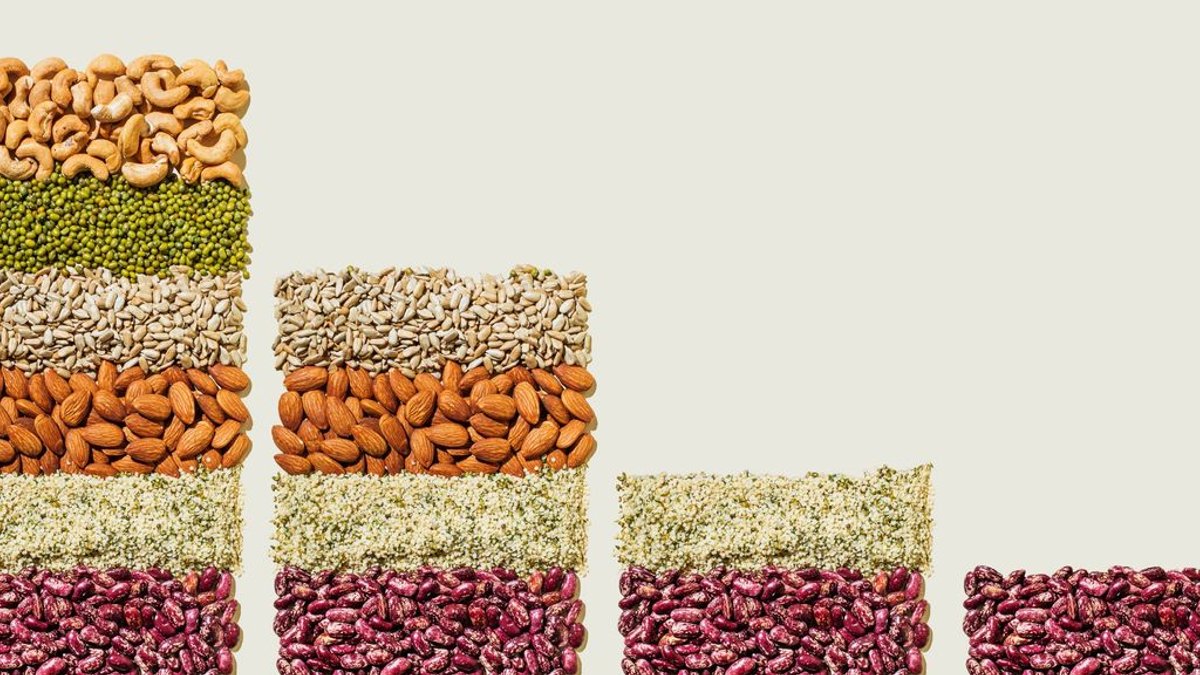
With the growing trend of prioritizing fiber intake, many people are experiencing side effects such as bloating, gas, and stomach cramps. According to Desiree Nielsen, RD, a recipe developer with a focus on plant-based nutrition, fiber is difficult for the digestive system to break down and must be handed off to bacteria in the colon, which can lead to digestive symptoms if consumed in excess.
Despite the potential side effects, fiber offers numerous health benefits, including keeping you full, preventing constipation, and supporting gut health. It also helps lower “bad” LDL cholesterol and stabilize blood sugar levels, reducing the risk of various diseases.
Fiber is a nutrient that provides many benefits, including keeping you full and preventing constipation. Nielsen notes that it supports gut health and helps lower “bad” LDL cholesterol.
Dr. Lisa Ganjhu, a gastroenterologist at NYU Langone Health, also emphasizes the importance of gradual increases in fiber intake. She likens it to a weightlifting regimen where one starts with smaller weights and gradually increases the load.
Related: Doctors Reveal Their Top 6 Supplements
To begin increasing fiber intake, it’s essential to understand the recommended daily fiber intake, which varies based on age and sex. According to the federal Dietary Guidelines for Americans, 2020-2025, women should aim for 28 grams of fiber daily from ages 19 to 30, 25 grams from ages 31 to 50, and 22 grams starting at age 51.
Nielsen recommends increasing fiber intake by 3-5 grams at a time, using foods such as apples, chickpeas, chia seeds, or ground flax. They suggest listening to your body and individualizing the rate of increase, as everyone’s digestive system is different.
For individuals who are constipated, Nielsen suggests increasing fiber intake with foods that are low in FODMAPs. Drinking plenty of water is also essential, as fiber needs water to work its stool-softening magic.
By taking a slow-and-steady approach to increasing fiber intake, individuals can ease the transition to a higher intake and reduce the risk of digestive symptoms. Dr. Ganjhu notes that if you’re someone who doesn’t eat a lot of fiber and all of a sudden you start eating a lot of it, the colon is just not going to know how to manage that efficiently.
Related: Surrogacy nearly destroyed then saved our marriage
One of the primary benefits of increasing fiber intake is that it allows individuals to develop a tolerance to fiber, making it easier to incorporate into their diet. This, in turn, can lead to improved overall health and reduced risk of chronic diseases. For example, a person who is able to increase their fiber intake to the recommended daily amount may experience improvements in their blood sugar levels and cholesterol levels, reducing their risk of developing conditions such as diabetes and heart disease.
In terms of practical application, increasing fiber intake can be incorporated into daily life by making small changes to one’s diet. For instance, adding a serving of fruits or vegetables to each meal can help increase fiber intake. Additionally, individuals can try incorporating fiber-rich foods into their snacks, such as nuts or seeds.
It’s also worth noting that increasing fiber intake is not a one-size-fits-all approach. Different individuals may require different rates of increase, and some may need to start with smaller amounts of fiber. By listening to their bodies and adjusting their fiber intake accordingly, individuals can find a pace that works for them and helps them achieve their health goals.
Desiree Nielsen suggests that a gradual approach to increasing fiber intake can help minimize potential symptoms.


