
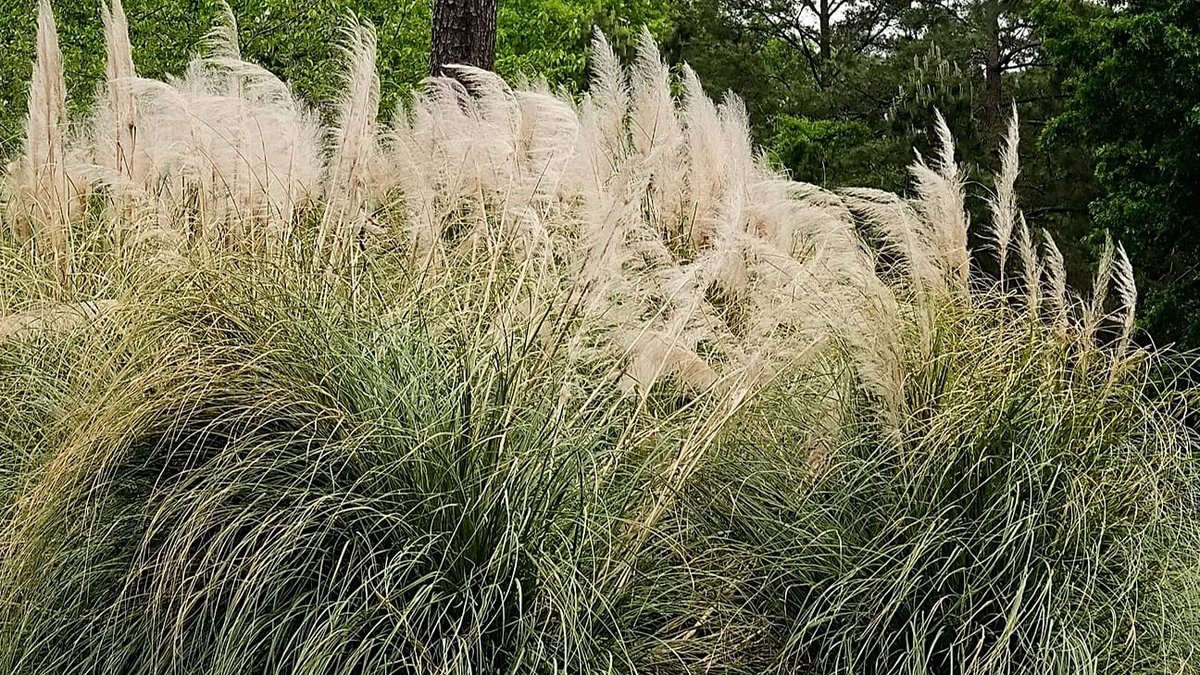
Cortaderia selloana, a plant long prized for its striking feathery plumes, has become an invasive threat across Portugal. Once confined to gardens, the species—commonly called pampas grass—now spreads across open fields, alters ecosystems, and extends allergy seasons well into autumn.
Researchers confirm its rapid expansion. The plant thrives along coastlines, where isolated specimens have multiplied into dense stands that outcompete native flora.
Wind-borne Seeds Drive Rapid Spread
Biologist Hélia Marchante, a specialist in invasive species at the Polytechnic University of Coimbra, describes it as “a very, very fast-spreading species”. Unlike many invasives that rely on wildfires or human disturbance, this grass spreads almost entirely through wind-borne seeds.
The transition from ornamental garden plant to ecological menace began in the late 20th century. For decades, only female individuals existed in Portugal, which limited natural reproduction. Accidental introductions of hermaphrodite plants, likely arriving in contaminated seed shipments, provided pollen donors that enabled fertilization. This change triggered explosive seed production, with each fertilized flower generating thousands of seeds that the wind can carry for many kilometers.
Read Also: Teen Fitness Linked to Lower Adult Depression Risk
Human activity also speeds up the invasion. People moving plumes for decoration, or brushing against mature stems, unintentionally transport seeds to new sites. Marchante notes that indoor use of plumes, common in decorative arrangements, further spreads pollen beyond garden borders. The result is a plant that has escaped cultivation entirely, now crowding out native vegetation and disrupting local ecosystems.
Allergy Season Extended by Pampas Grass
The impact reaches beyond the environment. As a grass species, it releases vast amounts of pollen, worsening allergies for sensitised individuals. Native grasses typically peak in spring, but this species pollinates through late summer and autumn, lengthening the period during which sufferers experience symptoms. Immunoallergologist Mário Morais de Almeida warns that, although direct epidemiological proof linking the grass to rising allergy cases is limited, clinical experience and pollen monitoring confirm its allergenic potential. Affected people report sneezing, itchy eyes, and, in severe cases, asthma attacks.
Pollen and seed dispersal are not confined to nearby areas. Strong winds can carry seeds for several kilometres, while pollen travels even farther, crossing natural barriers. Morais de Almeida advises avoiding outdoor exposure during peak pollen times, early mornings and late afternoons, and recommends masks or goggles in high-risk conditions. Storms that fragment pollen grains may intensify respiratory problems for vulnerable populations.
Ban and Enforcement Challenges
Legal measures reflect the seriousness of the threat. The species has been banned in Portugal since 2019, with restrictions on sale, planting, and intentional release into the wild. Enforcement, however, remains uneven. Municipalities often struggle with coordination; removing plants from public spaces frequently uncovers private or infrastructure-held specimens that escape regulation.
A proposed National Action Plan for control, drafted after the 2019 ban, aims to clarify responsibilities and allocate funding, but its implementation has been delayed.
Read Also: Greek researchers restore memory in Alzheimer animal models
Marchante stresses urgency. Each unchecked plant produces thousands of seeds, ensuring that next year’s infestations will be harder, and more expensive, to manage. She advocates for targeted removal of isolated specimens before May, when seeds mature. Cutting plumes before seed release offers a partial solution, yet it does not stop root systems from regenerating, meaning that follow-up actions are essential.
Citizens can assist by reporting sightings via platforms such as iNaturalist. The online tool maps distribution in real time, allowing authorities to prioritise eradication efforts. Public awareness campaigns have also been launched in several municipalities, encouraging residents to avoid planting the grass and to report illegal sales.
Experts agree that a combination of early detection, rapid removal, and strict enforcement of the 2019 ban offers the best chance of containing the invasion. Ongoing research aims to develop biological control methods, but those approaches are still in experimental stages and not yet ready for field deployment.
Residents in the most affected municipalities are urged to monitor local alerts and to adopt preventive measures to protect vulnerable family members.


