
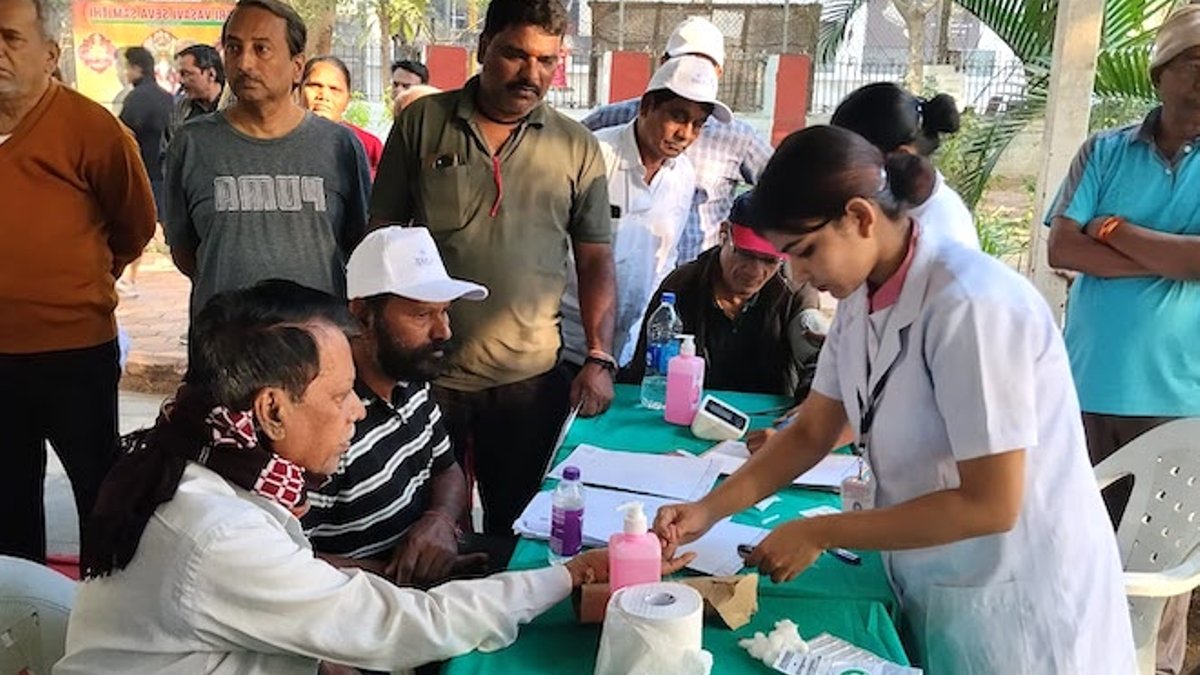
Doctors at CARE Hospitals in Hyderabad warned that uncontrolled diabetes can silently damage vital organs such as the heart, kidneys, eyes, and nerves before any symptoms become evident.
The warning was issued during World Diabetes Day events held in Secunderabad. During the observance, the hospital set up a free health-screening camp and organized an awareness walk that started at Padmarao Nagar Park.
Community Engagement Highlights Prevention
Over 150 people took part in the screening, with local residents, seniors, and regular morning walkers joining the awareness walk. The event stressed the importance of regular physical activity and healthy habits for managing diabetes.
During an interactive health talk, the physicians discussed early warning signs, long-term complications, and the need for routine check-ups. They also explained how lifestyle choices can influence the disease’s progression.
Doctors Stress Early Detection and Lifestyle Changes
Dr. Moinuddin, a general-medicine consultant, noted that diabetes often advances without noticeable symptoms. He said, “Many people feel healthy even when their blood sugar levels are high.” He also stated that over time, uncontrolled diabetes can increase the risk of heart attacks, strokes, kidney disease and other serious complications. Dr. Moinuddin added, “People with a family history of diabetes, obesity, high blood pressure or a sedentary lifestyle should undergo regular screening rather than waiting for symptoms.”
Dr. Srinivas Kandula, an endocrinology consultant, added, “Diabetes affects nearly every major organ. Prolonged high blood sugar can damage kidneys, eyesight, and nerves, increasing cardiovascular risks. Patients should monitor blood pressure, cholesterol, kidney function, and eye health. Early diagnosis and lifestyle changes can prevent complications.”
Symptoms and Preventive Measures Outlined
The physicians warned against ignoring symptoms such as excessive thirst, frequent urination, unexplained weight loss, persistent tiredness, and blurred vision. They linked diabetes-related nerve damage and poor circulation to slow-healing wounds and foot infections.
Recommendations included a balanced diet, regular exercise, avoidance of tobacco, stress management, and periodic health examinations. Dr. Bharathi Jetti, Chief Operating Officer at CARE Hospitals, said, “Many people seek medical attention only after developing health problems. Through this awareness walk, health talk and screening camp, we wanted to encourage people to take preventive healthcare seriously.” The hospital affirmed its commitment to bringing health awareness to neighborhoods and helping people recognize risks before they become serious.


