
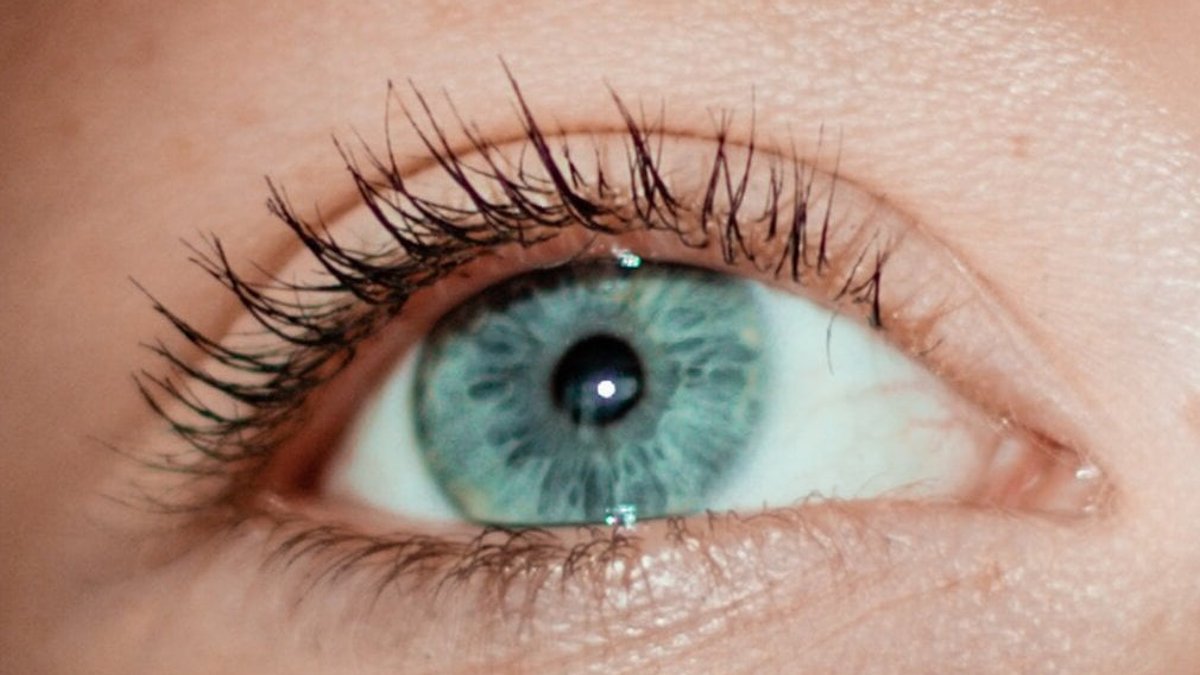
Scientists from Seoul National University in South Korea have created an AI tool that evaluates eye scans to detect existing dementia and forecast future risk. The deep learning system was trained using roughly 108,000 retinal fundus images obtained from 36,322 people who participated in routine checkups at SNUH between 2004 and 2016.
The AI model was trained on two separate datasets: one for detecting current dementia and another for predicting future dementia risk. The dementia detection model used over 14,000 images from 10,448 individuals, while the predictive model used nearly 65,000 images from 25,874 individuals with a median follow-up of 5.5 years.
Study Findings
The researchers assessed five vision foundation models using three fine-tuning strategies, evaluating them for performance, clinical utility, and explainability. The RETFound-MAE foundation model with partial fine-tuning performed best at both identifying existing dementia and predicting future dementia risk.
The RETFound-MAE model achieved an AUROC of 0.75 for dementia detection and a C-index of 0.81 for predicting future dementia risk. It outperformed the conventional CAIDE Dementia Risk Score, which recorded an AUROC of 0.62 and a C-index of 0.69 for predicting future dementia.
Read Also: Consumers Seek Wellness, Energy, and Longevity in Nutrition Trends
Clinical Implications
Early detection of dementia remains difficult due to the lack of a single definitive diagnostic test. Current approaches typically combine clinical assessment and cognitive testing with biomarkers obtained through methods such as MRI or cerebrospinal fluid analysis. The SNU researchers believe that retinal fundus images offer a more accessible alternative for population-level screening.
The AI model’s most clinically relevant use would be as an opportunistic risk-stratification tool within existing fundus-imaging workflows rather than as a diagnostic test. At the selected threshold, the best-performing model had 62.5% sensitivity and a positive predictive value of 36.3%, meaning a high-risk result should prompt cognitive assessment, clinical follow-up, or other confirmatory evaluation.
Before clinical implementation, the researchers say the model would require external validation and health economic assessment. They also call for validation across independent institutions, ethnically diverse populations, different fundus cameras, and clinical settings.
Broader Context
Last year, a company in Hong Kong started offering a service using retinal imaging AI to predict Alzheimer’s disease risk, with reported accuracy of 80%-92% in identifying Alzheimer’s disease risk across multi-ethnic datasets. A large-scale eye study in Australia also used AI to analyze about 50,000 eyes and create retinal maps, finding associations between retinal thinning and neurological disorders.


