
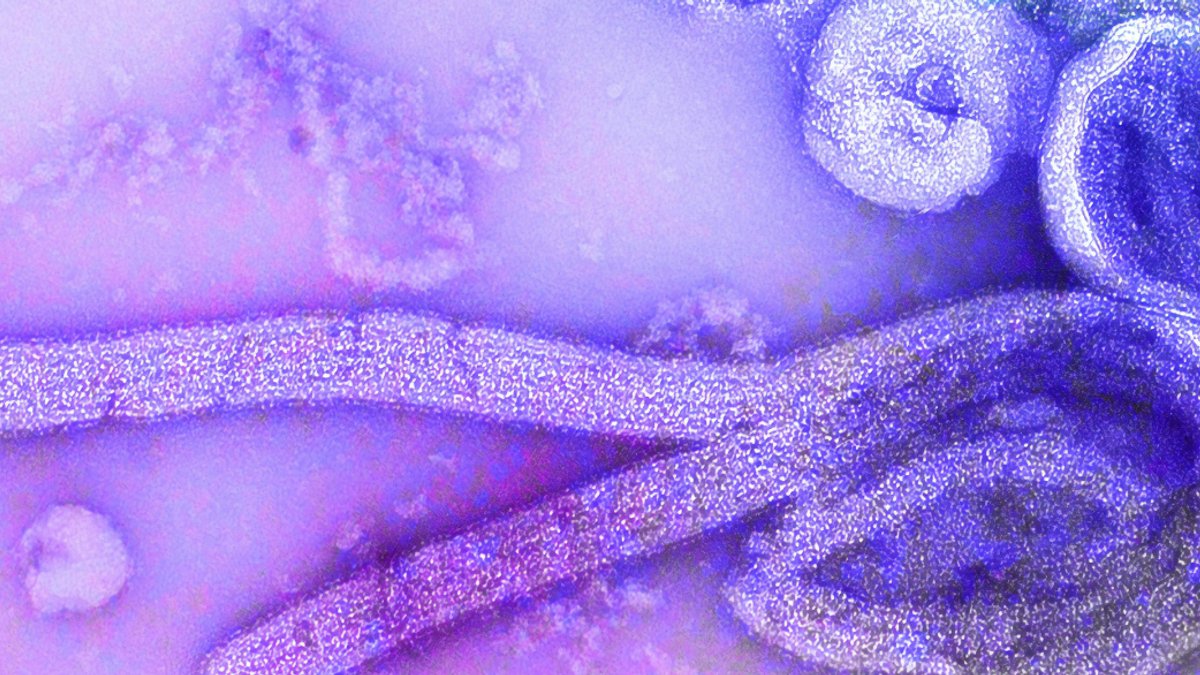
Health agencies have recorded at least 1,274 confirmed Ebola cases and 360 deaths in eastern Democratic Republic of Congo, part of a regional total of 1,295 cases and 362 deaths across the DRC, Uganda and France.
Outbreak details and spread
The disease is caused by the Bundibugyo Ebola virus, a rarer strain for which no licensed vaccine or approved treatment exists.
All three affected provinces lie in the DRC’s east. Ituri bears the brunt with 1,165 confirmed cases across 23 health zones; North Kivu reports 106 cases in 11 zones, while South Kivu has three cases in a single zone.
In a single daily update, the European Centre for Disease Prevention and Control cited DRC authorities reporting 47 new confirmed cases and 12 new deaths. The previously unaffected health zone of Mandima in Ituri was added to the outbreak map on 27 June.
The DRC declared the outbreak on 15 May after its national reference laboratory confirmed the Bundibugyo virus in suspected samples. By 22 June, confirmed cases had passed 1,000 – placing this outbreak third in the historical record, according to the US Centers for Disease Control and Prevention.
The World Health Organization declared a public health emergency of international concern on 17 May, two days after the DRC and Uganda declared outbreaks.
Uganda’s health ministry reported 20 cumulative confirmed cases as of 30 June, including 15 imported from the DRC and five from local transmission, with two deaths. All 821 contacts have completed their 21-day monitoring period.
Related Post: Omada Health boosts 2026 outlook after record Q3 growth
France confirmed a single case, a doctor who returned from the DRC, and a U.S. citizen was evacuated to Germany for treatment in May. The CDC rates the risk to Americans as very low and notes no domestic cases.
Ebola spreads through direct contact with blood, secretions or organs of an infected person, or via contaminated surfaces. Symptoms may appear anywhere from two to 21 days after exposure.
Scientists are racing to develop vaccines and test medical countermeasures. CEPI said it is backing three vaccine candidates, from IAVI, Moderna and the University of Oxford working with the Serum Institute of India, covering clinical trial preparation, development and manufacturing.
In Bunia, the DRC’s National Institute of Public Health has opened a clinical trial to test an antiviral against the disease, with the University of Oxford, the WHO and the National Institute for Biomedical Research all involved.
The DRC presidency says the response plan is budgeted at $319 million, with $20 million released urgently. A separate six-month continental plan from the WHO and Africa CDC puts the wider price tag at $518 million, covering surveillance, laboratory testing, clinical care and logistics.
“Ebola moves fast. Africa must move faster,” said Africa CDC director-general Jean Kaseya.
WHO director-general Tedros Adhanom Ghebreyesus said containing the outbreak depended on “political commitment, sustained financing” and community trust.


