
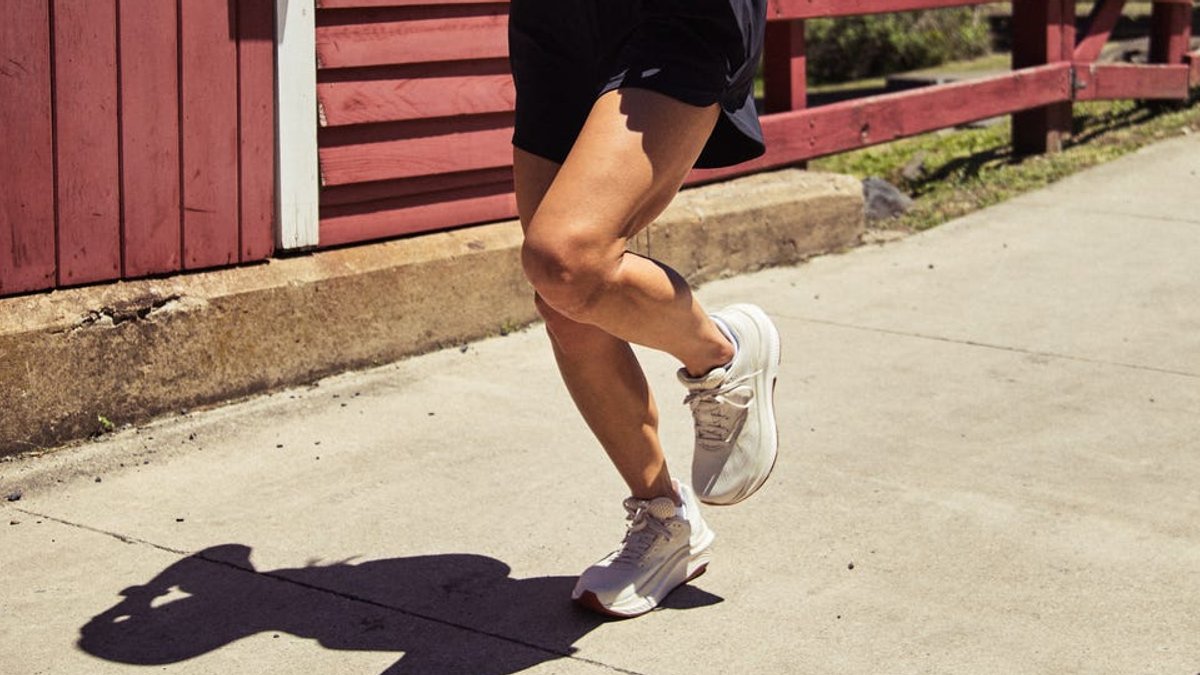
Wide feet and big toes require specific gear to prevent pain and injury. Finding a shoe that accommodates volume without sacrificing performance is often difficult. Several models on the market now offer the necessary space and support for these needs.
The Brooks Glycerin 23 stands out for its broader midfoot area compared to the Brooks Ghost. This design creates a more accommodating fit for wider shapes. The new triple jacquard knit provides a stretchier upper that houses wide feet comfortably.
The midsole foam delivers a supportive, high-energy-return ride with a 38 mm heel stack. Brooks added 2 mm of DNA Tuned foam in the forefoot for a more balanced feel. The result is lower heel-toe drop and consistent cushioning throughout the run.
Testing the Glycerin 23 for base miles and long runs shows it holds up well. The padded border on the interior of the heel collar keeps feet secure. The softness underfoot and cozy fit make it a preferred everyday shoe. It is a dependable choice for scheduled hours on the road.
On Cloudmonster 3
The On Cloudmonster 3 features a wide toebox that accommodates swelling. The signature CloudTec sole absorbs impact like a trampoline. This system pushes the runner forward, doing half the work of running.
The shoe uses Helion foam and CloudTec for high rebound. Several testers praised the roomy toebox and secure fit. The Speedboard promotes propulsion. While the shoe is only available in standard size, the broad platform and lacing system make it accessible to both wide and narrow-foot runners.
Related: Labor Day Sale Slashes Top Running Shoes
Testers like Dave Brattley described the experience as super comfortable with excellent cushioning. He noted that nothing pinched or rubbed. This model ranks as one of the best pairs available for running.
Asics Gel-Kayano 33
The Gel-Kayano 33 introduces a new FluidSupport stability system. This replaces the 4-D Guidance system and works with dual-foam midsoles to help guide form. The shoe offers 40 mm of cushioning but remains flexible.
Although the shoe comes in standard size, it provides ample space for high insteps. The fit in the midfoot is snug. Testers with wide feet reported no squeezing or pressure on the instep. The lacing system stays smooth during runs.
Lorenzo Molina noted the padded collar and smooth lacing. The overall fit is great because the foot sits better in the wider shoe. This stability trainer handles volume well without requiring stops to loosen laces.
Saucony Guide 19
The Guide 19 focuses on accommodation. It preserves the soft, cushioned feel of its predecessor with unobtrusive stability tech. CenterPath tech lends stability with higher sidewalls and a broader base.
The Pwrrun midsole provides max cushioning, making the Guide 19 a solid choice for long runs. One tester gave the trainer his highest rating due to strong comfort, support, and lack of weaknesses. He enjoyed the predecessor for similar reasons but noted this model has even more softness.
Related: Banish shoe odors with these proven fixes
Altra Torin 9
The Torin 9 makes the daily trainer more welcoming for zero-drop shoes. The 28 mm stack height houses P35X foam with a dense core and soft carrier. This softens landings without disconnecting from the running experience.
The outsole has Vibram rubber for a tackier ride. Testers liked the versatility for trails after hitting the road. The non-gusseted tongue provides more room for high insteps. The signature wide toebox is a dream for bunion-prone runners.
Hoka Clifton 11
Unlike the Bondi 9, which has a narrower fit, the Clifton 11 feels just as accommodating as its predecessor. Hoka did not narrow the sidewalls or midfoot. The Active Foot Frame cradles the foot to help with stability.
Compression-molded EVA foam offers high energy return without the responsiveness of supercritical foams. This makes the Clifton 11 suitable for everyday runs, long runs, and run/walks. The fit remains non-intrusive for wide feet.
Saucony Echelon 10
The Echelon 10 has evolved from a clunky run/walker into a lighter, more nimble shoe. It remains orthotic-friendly while offering the highly responsive Pwrrun midsole. This foam is the same used in the Guide 18.
Egging notes the Echelon 10 is excellent for underpronators or supinators. The broad base and comfy cushioning suit runners with high volume feet. The shoe is a good option for a 4E runner who needs extra width and a broader base.
Related: Garmin multisport watch discounted on Amazon
For those needing a racing shoe, the Hoka Rocket X 3 offers an accommodating, broad platform. The dual-density PEBA foam and winged carbon plate promote propulsion. The single-layer engineered mesh upper allows for breathability during sweaty marathons.
Altra Lone Peak 9+
The Lone Peak 9+ offers a comfy fit with a roomy toebox. Laced up, the foot feels relaxed and strong. The padding around the collar remains optimized for comfort and flexibility.
Testers report the shoe is wide enough for toe spacers if used. The Altra Ego midsole provides supportive cushioning with some ground feel. It finds a balance of cushion, protection, and feel that many trail shoes ignore.
Some runners need to revisit a run specialty store for a fit. Shoe models change over time and do not always fit the same. The Hoka Bondi 9, for example, fits narrower than the previous iteration due to built-up sidewalls. Even Altra shoes can fit narrower in the midfoot due to updates. Gusseted tongues and overlays can also make the fit tighter for wide-foot shoppers.
Black toenails are not a badge of honor. Numbness, tingling, Achilles tendonitis, and plantar fasciitis are signs of needing a refit. Movement in a road shoe is good. Tightness and constriction can change running patterns and lead to pain. If you see bruising, blood blisters, or toe curling, you probably need a wider toebox.


