
UK Health Security Agency announced on March 19, 2026 that an invasive meningococcal disease outbreak in Kent has been linked to 27 cases as of March 18.
Case breakdown and fatalities
The agency classifies the tally as 15 confirmed cases and 12 probable cases that have yet to be laboratory-confirmed. Nine of the confirmed infections are meningococcal group B (MenB).
Two deaths have been recorded: an 18-year-old schoolgirl and a 21-year-old University of Kent student.
Public health actions
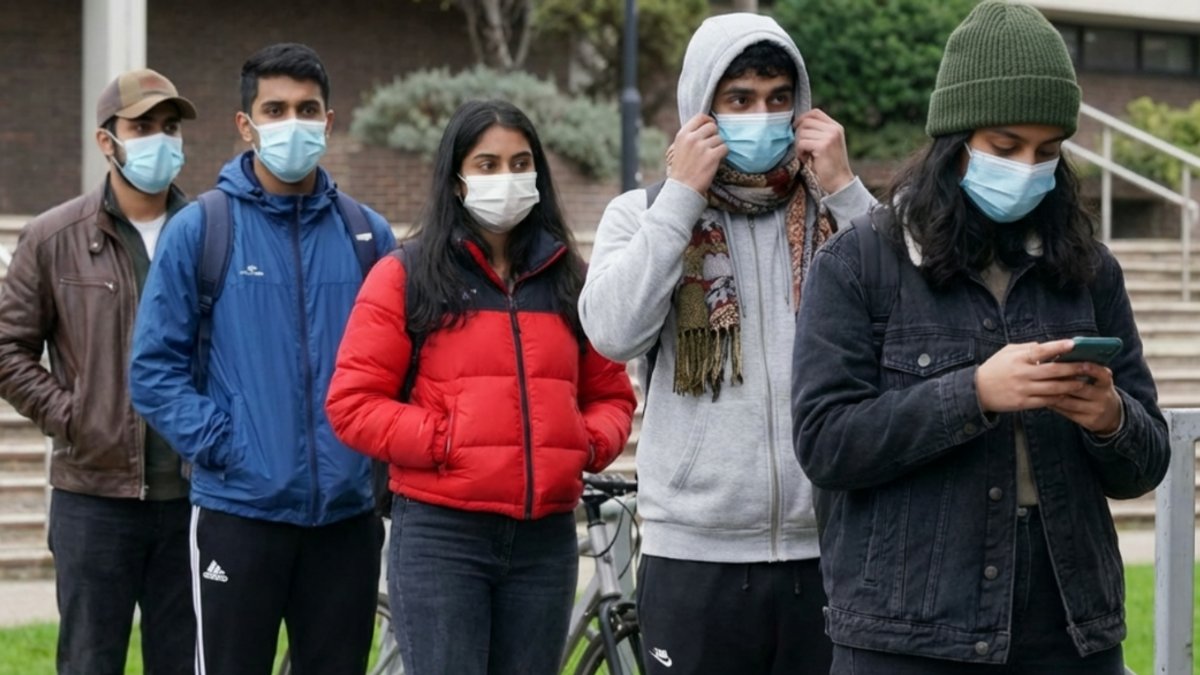
Preventive antibiotics are being offered to University of Kent students, patrons who visited Club Chemistry in Canterbury on March 5-7, and close contacts of both confirmed and suspected cases. General practitioners across England may prescribe the treatment to anyone who has left Kent but was advised to seek it.
Prime Minister Keir Starmer has urged anyone who attended the club on those dates to come forward for antibiotics.
A targeted MenB vaccination program began for students and staff residing in university halls, initially covering about 5,000 individuals. So far, 600 MenB doses have been administered at the Canterbury campus, and 6,500 courses of antibiotics have been dispensed as a precaution.
The agency says the vaccination effort could expand if risk assessments identify additional groups at risk.
Confirmed cases have also been identified among students at four Kent schools and one higher-education student in London who is directly linked to the Kent cluster. UKHSA is coordinating a national response but has not declared a formal NHS incident.
Dr. Anjan Ghosh, director of public health for Kent County Council, told BBC Radio 4 that officials cannot yet confirm containment, as they continue to investigate possible secondary transmission.
For the general public, the agency stresses that risk remains low. Transmission typically requires close, prolonged contact such as sharing a household or intimate interaction, with the bacteria spreading via respiratory droplets and saliva, especially in crowded indoor settings.
UKHSA notes that while the MenB vaccine reduces the chance of severe illness, it does not protect against all meningococcal strains and does not stop carriers from spreading the bacteria. The routinely offered MenACWY vaccine, which targets four other strains, also does not protect against MenB.
The statistical release explains that daily outbreak counts are verified at set times and may change as cases are confirmed, reclassified, or discarded. The agency will continue to update figures while the investigation proceeds.


