
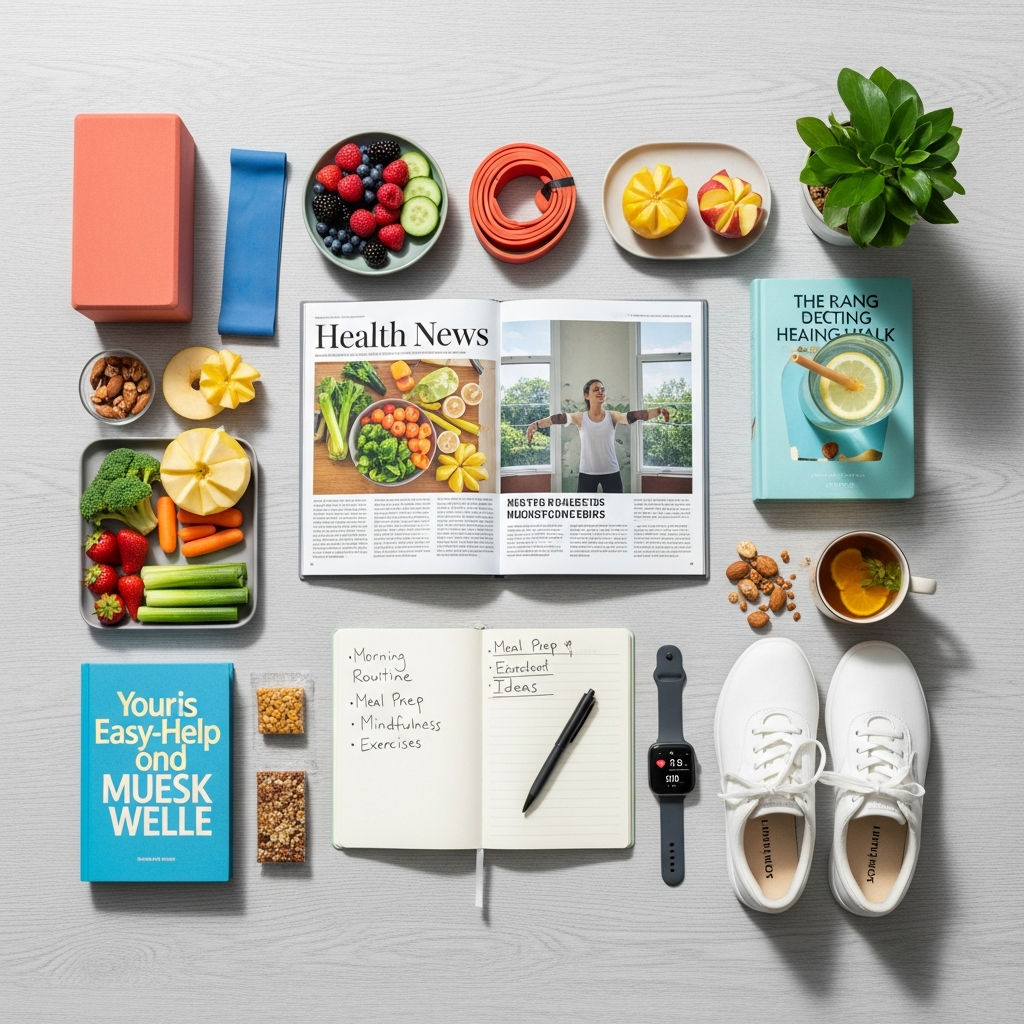
Transform Your Life with Health News and Simple Methods
In an era where information is at our fingertips, the sheer volume of health news can often feel overwhelming. One day, a study suggests coffee is the elixir of life; the next, it warns of potential risks. However, at the intersection of cutting-edge health research and daily routine lies a powerful opportunity: the ability to transform your life through small, evidence-based changes. By filtering the noise and focusing on simple methods, anyone can achieve a higher state of well-being without the need for radical, unsustainable lifestyle shifts.
The journey to a healthier version of yourself doesn’t require a marathon or a restrictive diet that drains your joy. Instead, it involves staying informed about the latest health developments and integrating “micro-habits” into your daily schedule. This article explores how you can leverage health news and simple strategies to revitalize your body, mind, and spirit.
The Power of Staying Informed: Why Health News Matters
Science is never static. What we knew about the human body ten years ago has been refined by modern technology and rigorous clinical trials. Keeping an eye on health news allows you to move away from outdated myths and embrace what truly works. For instance, recent breakthroughs in the study of the gut microbiome have completely changed how we view immunity and mental health.
When you stay informed, you become an active participant in your own healthcare. You learn about the importance of “longevity markers,” the benefits of functional fitness, and the impact of environmental factors on your hormones. The goal is not to become an overnight expert, but to recognize trends that align with your personal health goals. Knowledge provides the “why” behind your actions, making it much easier to stick to a new habit when you understand the biological benefits behind it.
Filtering the Noise
To use health news effectively, you must learn to filter it. Not every headline is a call to action. Look for meta-analyses (studies of studies) and reports from reputable institutions. Focus on news that promotes sustainability rather than “quick fixes.” When you see a headline about a new “superfood,” look for how it can simply be incorporated into what you already eat, rather than replacing your entire pantry.
Simple Methods: The “1% Rule” for Longevity
The most common reason people fail their health goals is that they try to change too much, too fast. The “Simple Methods” approach relies on the principle of marginal gains—the idea that if you improve by just 1% every day, the cumulative effect over a year is staggering. Transformation is a marathon, not a sprint.
- Hydration First: Start your day with 16 ounces of water before caffeine. This simple method rehydrates your brain and kicks off your metabolism after hours of sleep-induced fasting.
- The 10-Minute Rule: If you don’t have time for a full workout, commit to 10 minutes of movement. Whether it’s stretching, a brisk walk, or bodyweight squats, consistency builds the identity of a “healthy person.”
- Box Breathing: To manage stress, use the 4-4-4-4 method. Inhale for four seconds, hold for four, exhale for four, and hold for four. It’s a scientifically backed way to reset your nervous system in under two minutes.
Nutrition Simplified: Beyond the Calorie Count
Health news frequently debates the merits of various diets—Keto, Paleo, Vegan, or Mediterranean. While the debate rages on, the simplest method for nutrition remains constant: eat whole foods. Transitioning your diet doesn’t have to happen overnight. Instead of focusing on what to “cut out,” focus on what to “add in.”
Current research emphasizes the “Anti-Inflammatory Diet” as a gold standard for longevity. This isn’t a strict regimen but a set of guidelines that prioritize leafy greens, fatty fish, nuts, and berries. By focusing on reducing systemic inflammation, you lower the risk of chronic diseases such as heart disease and diabetes.
The Art of Mindful Eating
One of the simplest methods to transform your relationship with food is mindfulness. Health news often highlights how “distracted eating” (eating while watching TV or scrolling) leads to overconsumption. By simply putting your fork down between bites and chewing thoroughly, you allow your brain’s satiety signals to catch up with your stomach, naturally regulating your caloric intake without the need for a calculator.
Movement as Medicine: The Rise of NEAT
A significant trend in modern health news is the shift away from the “all-or-nothing” gym mentality. Scientists are now highlighting the importance of NEAT—Non-Exercise Activity Thermogenesis. This refers to the energy expended for everything we do that is not sleeping, eating, or sports-like exercise.
Simple methods to increase NEAT include:

- Taking the stairs instead of the elevator.
- Using a standing desk or taking “standing breaks” every hour.
- Walking while taking phone calls.
- Pacing while waiting for the kettle to boil.
These small movements add up to thousands of calories burned per week and, more importantly, they keep your insulin sensitivity high and your joints mobile. Transformation happens in the gaps between your scheduled activities.
Prioritizing the Foundation: Sleep and Recovery
If there is one area where health news has been revolutionary, it is sleep science. We now know that sleep is not “down time”; it is an active period of neurological cleaning and physical repair. Depriving yourself of sleep undermines every other health effort you make, from your diet to your gym performance.
Simple Sleep Hygiene Methods
Transforming your sleep doesn’t require expensive gadgets. It requires a routine. Simple methods include keeping your bedroom cool (around 65°F or 18°C), avoiding blue light from screens an hour before bed, and maintaining a consistent wake-up time, even on weekends. When you prioritize sleep, your brain’s executive function improves, making it easier to make healthy choices the following day.
Mental Health and the Brain-Gut Connection
Modern health news has bridged the gap between physical and mental health. We now understand that the gut is the “second brain.” Simple methods to improve your mood often start with your digestive system. Incorporating fermented foods like yogurt, kefir, or kimchi can improve your gut microbiome, which in turn produces neurotransmitters like serotonin that regulate your mood.
Furthermore, “Digital Detox” sessions are becoming a recommended health method. Spending just 30 minutes a day away from notifications reduces cortisol (the stress hormone) and improves your attention span. This simple shift can transform your mental clarity and reduce feelings of anxiety and burnout.
Creating Your Personal Transformation Plan
To truly transform your life, you must synthesize the news you read with the methods you practice. Start by choosing three simple methods—one for nutrition, one for movement, and one for mindset. Practice these for 30 days until they become “automatic.” Once a habit is automatic, it no longer requires willpower.
Keep a journal or use a simple app to track your progress. Seeing your consistency on paper acts as a powerful psychological motivator. Remember, the goal is progress, not perfection. If you miss a day, don’t abandon the plan; simply return to the method the next morning.
Conclusion: The Future of Your Health is Simple
Transforming your life is not a mysterious process reserved for those with elite discipline or expensive trainers. It is the result of staying curious about health news and being disciplined with simple methods. By focusing on the fundamentals—hydration, whole foods, daily movement, and quality sleep—you build a foundation that can withstand the stresses of modern life.
The latest scientific research confirms what we have often intuitively known: our daily choices dictate our long-term destiny. Don’t wait for a health crisis to make a change. Start today by implementing one simple method you learned here. Your future self will thank you for the transformation you began today.